© 2026 Rentokil North America © Gregory Pest Solutions – All Rights Reserved.
You may not realize it, but that pumpkin on your porch may already be housing more than seeds.
Across the Carolinas, October porches fill with pumpkins, hay bales, chrysanthemums, cornstalks, and baskets of firewood. These seasonal touches may attract trick-or-treaters but also draw in spiders, cockroaches, insects, and even rodents. Decorations placed beside an exterior door—and firewood carried directly inside—can give hidden pests a convenient route into your home.
North and South Carolina’s climate can keep pest activity going later in the season. But effective pest prevention does not require abandoning your fall display. A few quick inspection, placement, and storage habits can help keep seasonal décor attractive without allowing it to become a Halloween nightmare full of pests.
What Pests Hide in Fall Decorations?
Natural decorations spend time in fields, garden centers, storage areas, or outdoor displays before reaching your porch. That means insects may already be concealed inside when you bring them home.
Common hiding places include:
- Hay bales and cornstalks: Folds, gaps, and hollow spaces can shelter spiders, beetles, cockroaches, and other insects. Small rodents may also investigate these materials when they remain undisturbed near the house.
- Pumpkins and gourds: These become more attractive to pests, especially flies, as they soften, crack, or begin to decay.
- Potted chrysanthemums: Damp soil, drainage trays, and dense foliage can provide shelter for ants, small insects, and spiders.
None of this means natural décor must be avoided, but it does make a brief inspection worthwhile before arranging it close to your home.

Inspect Decorations Before They Reach the Porch
Check seasonal items in a well-lit outdoor area before placing them near doors, windows, or exterior walls. A quick inspection should include:
- Looking underneath pumpkins and inside the folds of cornstalks for insects, webbing, egg sacs, gnaw marks, or droppings
- Gently shaking loose materials to dislodge anything hiding inside
- Checking stored decorations and their containers before bringing them indoors
- Moving reusable décor into plastic containers with secure lids instead of open baskets or cardboard boxes
- Discarding natural materials that show signs of moisture, decay, or pest activity
Spiders, cockroaches, and rodents can occupy boxes that have remained untouched in a garage, attic, shed, or crawl space. If you are experiencing recurring activity around storage spaces and are unsure how to manage, a technician can review your property’s residential pest control needs.
Give Your Decorations Some Breathing Room
Where you place fall décor can be as important as what you display.
Avoid pressing hay bales, planters, and cornstalk bundles directly against siding, foundations, doorframes, or crawl-space vents. Leaving space around the display makes it easier to spot pest activity and removes some of the protected pathways pests use to approach the house.
Place pumpkins and gourds on a clean, dry surface rather than directly on damp soil or mulch. Raising them slightly can improve airflow and make it easier to check underneath them. Move or rotate decorative items periodically so they do not remain undisturbed for weeks, which can allow pests to settle in.
Pay particular attention to items beside frequently used doors. A spider hidden behind a planter or a cockroach beneath a hay bale is more likely to enter when the display sits directly beside the threshold.

Remove & Replace Decaying Items
A pumpkin does not need to collapse completely before it begins attracting pests. Soft areas, cracks, leaking liquid, and damaged stems can all indicate that decay has started.
Inspect pumpkins, gourds, hay, and potted plants regularly throughout October. Remove any item that becomes moldy, waterlogged, heavily damaged, or infested. Fallen leaves and plant debris should also be cleared from beneath the arrangement, as they retain moisture and create additional cover.
This maintenance takes only a few minutes, but it prevents a single item from turning the entire display into a more appealing habitat for pests.
How to Store Firewood to Avoid Pests
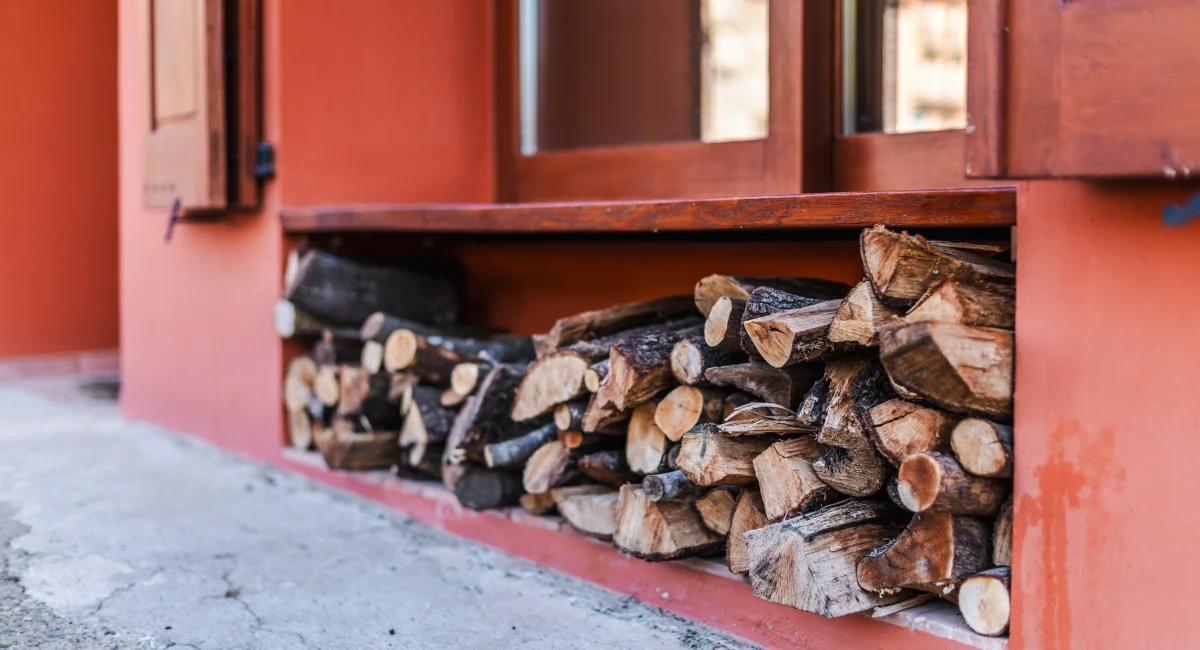
Firewood naturally contains cracks, loose bark, and hidden spaces that can appeal to spiders, cockroaches, ants, beetles, and other insects. Gaps within a woodpile may also provide rodents with a protected place to nest.
To reduce pests in firewood:
- Separate the stack from your home. Keep firewood outside and away from the exterior of the house whenever the property allows.
- Elevate the wood. Use a rack or other stable support to limit soil contact and improve airflow.
- Keep it dry without trapping moisture. Cover the top to protect it from rain, but leave the sides open so moisture can escape.
- Clear the surrounding area. Remove weeds, leaves, and unnecessary clutter that could provide additional shelter.
- Inspect each log. Check beneath loose bark and inside visible cracks before carrying firewood indoors.
- Bring in only what you will use soon. Avoid creating a long-term indoor stockpile beside the fireplace.
Avoid treating firewood with household pesticides. Products not intended for that purpose could create unnecessary exposure, particularly when the wood is burned.
Watch for Signs the Problem Extends Beyond the Décor
An occasional insect discovered outdoors does not always indicate an infestation. Repeated sightings indoors, however, may suggest that pests are using more than one entry point.
Warning signs can include:
- Recurring webs around doors and windows
- Cockroach activity near stored decorations
- Droppings beside a woodpile or storage area
- Gnaw marks on pumpkins, containers, or other materials
- Scratching or movement inside walls, attics, and storage spaces
Rodents can move from sheltered exterior areas into garages, crawl spaces, attics, and wall voids through small structural gaps.
Gregory’s home pest prevention services address conditions such as moisture and unsealed access points that can make a property more vulnerable to pests. For homeowners seeking ongoing seasonal support, a pest control maintenance plan can provide regular inspection and prevention based on changing pest activity.
A Better Way to Enjoy the Season
Fall decorations should add warmth to your home—not introduce unwanted occupants.
If pest activity continues after the decorations have been checked and repositioned, Gregory Pest Solutions can help identify where pests are sheltering and how they may be entering. A professional assessment can provide practical next steps tailored to your home rather than relying on temporary fixes.
If spiders, cockroaches, or rodents are finding their way indoors, Gregory Pest Solutions can assess your home and recommend practical, targeted protection. Connect with our local team for support tailored to seasonal pest activity in the Carolinas.
Book Your Free Pest Inspection Today
Our local technicians will assess your property and recommend tailored solutions. Fast, friendly, and completely obligation-free.
- Safe, targeted treatments
- Local experts, fast response
- Trusted, trained technicians