800-922-2596 Call Now Book a Free Inspection

Mice Facts & Information

mouse hiding behind pillar in snow

Quick Facts About Mice

  • Common house mice are small, gray or brown rodents with long tails and large ears; signs include droppings, gnaw marks, scratching sounds, and a musty odor.
  • Mice enter through small gaps to find food, warmth, and shelter, especially in cluttered areas with numerous hidden nesting sites, and during the cooler months when outdoor food sources are scarce.
  • To prevent mice, keep areas clean, seal entry points, store food in airtight containers, and remove clutter to reduce nesting spots and eliminate food sources.

Are you hearing scratching behind the walls, or have you found unexplained droppings in your kitchen? Chances are you've got a mouse problem. Mice are small, but the issues they cause can quickly become large. From property damage to potential health risks, they're more than just an inconvenience. That's why reliable mouse pest control is so important. At Gregory Pest Solutions, we understand how fast these pests can multiply and how difficult it can be to handle them on your own.

Working with an experienced mouse exterminator means you don't have to guess what's happening or try a patchwork of DIY methods that only delay the problem. We know where mice like to hide, how they get in, and most importantly, how to keep them from coming back. Getting rid of mice isn't just about traps or sealing cracks; it's about identifying the root cause and creating an environment where these pests can't thrive.

What to Know About Mice Prevention

Known for destroying property and spreading disease-causing pathogens, mice can be a major issue for your South Carolina home or business, requiring professionals to get rid of them and put preventive measures in place.

Mice are primarily nocturnal and omnivorous. In nature, they’ll eat whatever plants, leaves, stems, seeds, roots, fruits, berries, and insects they can get their paws on. If they’ve infested your home, they’ll expand that sustenance pool to anything they can find in your cupboards or trash. All varieties of mice are efficient breeders, with a single female birthing between 15 and 120 offspring per year. They can add up quickly!

You can protect your property and avoid costly pest disruptions with thorough hygiene procedures and by calling on rodent control experts, like Gregory Pest Solutions. Read on to learn more about mice infestations and effective prevention methods.

How to Identify Mice in South Carolina?

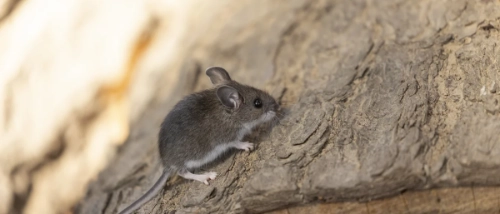
Mice in South Carolina tend to look much like the common house mouse found throughout the country. Small and slender, they have fur that ranges from light gray to brown on their backs, with a paler belly. Their ears are large relative to their heads, and they have tails covered in fine hairs about the same length as their bodies. The average adult mouse grows three to four inches long, not including its tail.

In South Carolina's warm climate, these rodents often seek shelter indoors, especially for protection against predators and the rain. If food sources, such as leftover pet food or open garbage containers, are plentiful, they'll stick close and start nesting quickly.

The house mouse's ability to adapt makes it a common invader throughout the state. It's important to recognize these signs early because once a mouse finds a safe nesting site indoors, it won't be long before it multiplies.


Common Signs You Have Mice in Your Home

Mice tend to be cautious and are most active at night, which means you might not notice an infestation right away. Here are some signs to look for:

* Droppings near stored food, along walls, or behind furniture

* Ammonia-like odor: a faint but noticeable smell that gets stronger as the infestation grows

* Gnaw marks on food packaging, plastic containers, or wiring. Mice chew often to keep their teeth from growing too long.

* Chewed wiring or insulation, which can create a serious fire or electrical hazard

* Scratching sounds in walls, especially at night, suggesting nests in wall voids, behind baseboards, or under flooring

* Movement overhead: mice are great climbers and can fit through gaps as small as a dime

If you notice these signs early, you can make a big difference. Calling a professional can help you find the source quickly and stop the problem before it gets worse.

Top 5 Mouse Prevention Tips

Top DIY tips from our experts that can help prevent or reduce mouse activity include:

  • Sealing entry points — Mice explore any gap that smells like food or offers warmth, so understanding why they enter is the first step to keeping them out.
  • Keeping food stored securely — Close pantry doors, wipe down kitchen counters, and never leave dirty dishes in the sink overnight.
  • Reducing clutter — Tidy up laundry areas, garages, and basements, as mice are drawn to cluttered spaces where they can nest undisturbed.
  • Storing boxes off the ground — Keep supplies away from walls so you can spot signs of activity early.

If all else fails, combining routine hygiene with professional monitoring and tailored treatment works best for long-term protection.

Protect your business by taking proactive steps. Download our Rat Prevention Tips PDF for expert advice on how to keep your premises rat-free and avoid these potential problems.

How to Get Rid of Mice and Keep Them Out

  • Be sure to install door sweeps on all exterior doors. 
  • Use rodent-proof materials such as hardware cloth, aluminum flashing, aluminum screening, or concrete to seal all exterior holes and openings. 
  • Place 1/4-inch wire mesh screens over all exterior ventilation openings. 
  • Inspect roof areas and seal any gaps or openings around vents and HVAC units.
  • Designate a food area and discourage employees from keeping food at desks.
  • Clean food serving, prep, and storage areas regularly. 
  • Keep vegetation around buildings trimmed back, especially low, dense shrubs and tall grasses. 
  • Store firewood and unused equipment away from the building.
  •  Remove clutter, such as old boxes and equipment.
  •  Keep dumpsters and garbage bins tightly covered and away from the building.

Even with these steps, prevention isn't always foolproof. That's why it helps to work with professionals who understand rodent behavior. An experienced mouse exterminator can evaluate your home and spot things you might miss.

Struggling with Mice?

Call now to book your free inspection.

mouse poking out of hole in corner

Interesting Facts About Mice

Mice are fast learners and can memorize paths through a home with surprising accuracy. They're also surprisingly fast runners and excellent climbers. Once inside, they explore using their whiskers and sense of smell rather than sight. Strong spatial memory offsets their poor vision, which helps them avoid traps and navigate narrow spaces.

Mice can also pose health risks. One such risk is exposure to Hantavirus, which can be present in mouse droppings and urine. This virus can cause severe respiratory illness in humans. While cases are rare, they're a reminder that handling an infestation without proper safety gear can be risky. Professional intervention becomes essential when contamination can occur across ventilation systems or shared living areas.

In addition, female mice can have up to 10 litters per year, with up to 6 babies per litter. That's why a small problem can grow so quickly.

Book a free inspection

Frequently Asked Questions about Mice

Mice are driven by their need for food and rarely go more than a few days without it. They can last about three to four days without eating in ideal indoor conditions. Without water, their survival window shrinks even more. Because of this, mice tend to set up nests close to steady food sources, often within a few feet of the kitchen or pantry.

Yes. Besides being a nuisance unto themselves, mice can also infest your home with fleas and mites.

A standing mouse can jump up to a foot. A mouse with a running start can jump as high as two feet. Mice can climb, run, jump, and squeeze through a hole the size of a dime. Keep this in mind when they get into your pantry and other areas.

Mice that die in your walls from poison or other means can leave a lingering odor. In warmer weather, it may take two weeks for a mouse to decompose – and in cold weather, it may take closer to three weeks.

Once pregnant, a female mouse will deliver her pups in about 20 days. She will be able to become pregnant again the day after giving birth and will have between five and ten litters in a year. If you have a mouse move in, it could multiply quickly!

Mice are small but frequent eaters. They can only go two to four days without food. Before you think it’s easy to starve them out, consider that they may have food cached or go outside to forage.

How Gregory Pest Solutions Can Help

When you call Gregory Pest Solutions about your pest problem, we send a technician to your home or business to identify the type of mice you have and how they’re getting in. Once we’ve determined the variety of mouse that’s made its nest, we’ll work to remove it. We will find the nests, remove the debris, and implement a plan to prevent further infestation. Our methods are thorough and environmentally safe for you, your pets, and the environment you live in. 

Call us for whatever pest prevention assistance you need. 

Schedule a free consultation today here.

Types of Mice in South Carolina

Get In Touch

About Us

The personal touch sets Gregory apart from other companies. We have been family owned and locally operated since 1972. We get to know you, your family and home.