800-922-2596 Call Now Book a Free Inspection

Types of Mice in South Carolina

If you’re like most people, when you see a mouse in your home, your next thought might be, “Get it out!” You might not stop to think about what kind of mouse you’re seeing, but maybe you should. By understanding which type of mouse is in your home, you can gain insight into why it’s there, how you can get it out, and what you can do to prevent the next infestation.

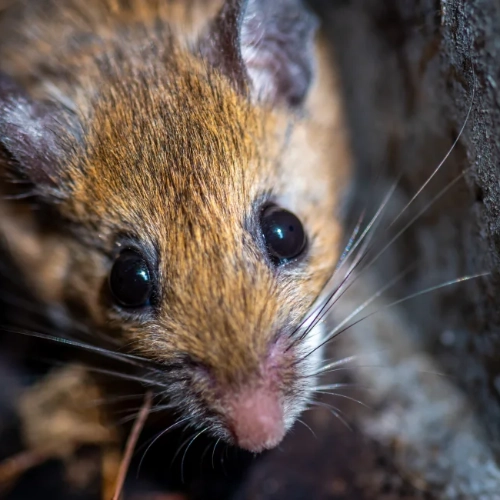
Three types of mice in South Carolina are most common and account for most infestations in homes and businesses: the deer mouse, house mouse, and white-footed mouse. Next time you see a mouse on your property, here are some tips on how to tell them apart.

Deer Mouse

(Peromyscus maniculatus)

Similar to their namesake, the white-tailed deer, deer mice prefer to live outdoors in peaceful wooded environments. But they go where resources and shelter are found, which means that sometimes they cross over into homes, sheds, and businesses near wooded areas.

Once inside, deer mice can be destructive to wooden structures, and like other mouse species, they’re a potential health hazard, carrying different types of germs and disease.

Appearance

  • Size: Full-size deer mice range from 2 ¾” to 4” in length
  • Weight: Approximately 0.4 – 1.25 oz
  • Coloring: Mostly pale gray fur with occasional red-brown on top and side. Their undersides are usually white fur
  • Tail: Bicolored with dark on top and white below, approximately 2” to 5” long,  and covered with tiny hairs

Life Cycle

  • Deer mice live on average between 2 and 14 months in the wild, but in captivity they have been observed to live 5 to 8 years.
  • Their gestation period is usually only about three weeks. Females can have 2 to 4 litters per year, each with 3 to 5 babies.
  • Mice can begin reproducing as soon as they’re 7 to 8 weeks old.

Habits

  • Deer mice are nocturnal, coming out at night to find food.
  • They are excellent climbers and often found in even upper levels of structures such as attics and upper floors.
  • During colder months, deer mice will seek shelter and warmth, often inside buildings.
  • Deer mice are one of the leading carriers of the hantavirus, which can be very dangerous to humans.

House Mouse

(Mus musculus)

People typically think of the house mouse in South Carolina when asked to picture a mouse. Many house mice live their entire lives outdoors without stepping foot into a house, but these rodents are opportunistic, so if there are houses nearby, they will often go inside to search for resources.

House mice are active all year. Infestations often become more common in late fall to winter because it gets cold and mice seek warm shelter. They’re also not shy about invading businesses in addition to houses.

Appearance

  • Size: Body is approximately 2 ¾” to 3 ¾” in length with small feet and head
  • Weight: Approximately 0.4 to 1.1 oz
  • Body: Their relatively small feet and head, coupled with their large eyes and ears distinguish them from a young brown rat
  • Coloring: They can range from gray to brown
  • Tail: House mice have tails that are approximately the same length as their bodies

Lifecycle

  • House mice have 7 to 8 litters of young per year; each litter can have 4 to 16. Yes, they reproduce fast!
  • The gestation period is about 3 weeks
  • House mice reach reproductive maturity in about 8 to 12 weeks

Habits

  • House mice like to stay close to food sources they discover and will make their nests in these areas. That’s why they often turn into permanent tenants in houses.
  • They will eat a wide range of foods but they prefer grains, fruits, and seeds.
  • Each mouse eats around 0.1 ounce of food per day. They will drink up to .1 fluid oz. per day if their diet or environment is dry.

White-Footed Mouse

(Peromyscus leucopus)

White-footed mice are found all along the eastern seaboard from Maine to Georgia, including here in South Carolina. While they really do prefer to make their habitats in wooded environments, they may try to come inside during periods where resources are scarce, or the weather is unstable.

Appearance

  • Size: Body is approximately 3 ½ to 4 inches in length.
  • Weight: These mice generally weigh around .75 oz.
  • Coloring: Their feet and underbelly are white, while the  rest of their fur is grayish to reddish-brown.
  • Tail: Their tails are slightly shorter than other common mice in South Carolina, reaching about 2 ½” to 3.8 inches long.

Lifecycle

  • White-footed mice have 2 to 4 litters per year, each with 2 to 6 young.
  • The gestation period is about three to five weeks.
  • White-footed mice will typically begin reproducing when they reach 10 to 11 weeks old.

Habits

  • White-footed deer infestations often happen in buildings near forests and brushlands or bordering agricultural land.
  • Seek out safe and concealed areas for nests.
  • Their preferred diet is based on fruits, nuts, seeds, and small insects.
  • If frightened, they may drum their front feet.

Got a Mouse Problem in South Carolina?

If you’re dealing with a mouse problem in your home or business and you want them gone ASAP, there’s no better choice than our rodent control team! Our experienced technicians will get to the bottom of your problem – from eliminating the active infestation to helping you prevent future ones.

See why we’ve been South Carolina’s trusted rodent control provider since 1972 – call Gregory Pest Solutions now for a free estimate.

Mice Removal

Acting quickly is important if you think mice may be in your home. In South Carolina, various types of mice, including house and deer mice, can contaminate food, damage insulation, and chew through wires. The longer they stay, the harder they are to control.

The most effective DIY methods may include sealing small holes and setting traps in active areas. But while this can help in the short term, home treatment often fails to solve the whole problem, especially if there’s an established nest or hidden access points.

If you’re looking for mice removal in South Carolina, choose Gregory Pest Services. We can help with long-term protection and root out the cause. We’ll inspect your property, identify the species, and recommend a tailored solution based on our findings.

Are Landlords Responsible for Dealing With Mice?

Responsibility for mice in South Carolina rental properties can depend on the origin. In many cases, landlords are expected to provide a clean and safe living environment, which includes addressing pest problems that weren’t caused by tenant behavior.

If you rent and suspect a mouse issue, notify your landlord immediately. Landlords should take steps to fix entry points and arrange for professional mouse removal if needed. However, tenants should keep their living areas reasonably tidy; this means keeping food sealed and living spaces clean, which reduces the chances of attracting mice.

Frequently Asked Questions

Start by sealing entry points and setting traps in active areas. However, a more effective approach is to have our technicians inspect and treat the affected area.

Mice are less likely to enter homes if you cut off access to food, water, or shelter. Sealing gaps, storing food in sealed containers, and reducing clutter can help deter them.

Keep your home clean, close off small openings around pipes or doors, and store pet food securely. These steps may help, but for more comprehensive protection, professional help is often needed.

Some mice carry bacteria, viruses, or parasites that may pose health risks. If you think you’ve had contact with mice or their droppings, it’s best to speak with a healthcare professional.

A rodent exterminator will inspect for entry points and nesting areas, set traps in key locations, and recommend sanitation improvements. To prevent future activity, the exterminator will follow up by sealing gaps or adding deterrents.

The house mouse is the most common home invader, while the deer mouse is more common in rural areas and is a known carrier of hantavirus. The white-footed mouse prefers wooded areas but will enter homes, and like the deer mouse, it's prone to chewing through wiring and insulation.

Look for small droppings near food sources or fence lines, gnaw marks on wood or stored items, shredded nesting materials, and burrow holes near walls or garden beds. If you spot any of these signs, it's worth scheduling a professional inspection before the problem worsens.

Mice are active year-round, but activity spikes in fall and winter when cooler temperatures drive them indoors in search of warmth and food. The Carolinas' mild climate means they can remain a problem even through the warmer months.

Mice can spread diseases like hantavirus, salmonella, and leptospirosis through their droppings, urine, and shed hairs, and their dander can trigger allergies and worsen asthma. They can also chew through electrical wiring and insulation, creating potential fire hazards and costly structural damage.

Get In Touch

About Us

The personal touch sets Gregory apart from other companies. We have been family owned and locally operated since 1972. We get to know you, your family and home.