© 2026 Rentokil North America © Gregory Pest Solutions – All Rights Reserved.
Pets are part of the family. Whether you’ve got a curious cat, a laid-back dog, or both, protecting their food is just one way we care for them. But if you’ve ever walked into the kitchen or yard and spotted a trail of ants swarming their bowl, you know how frustrating it can be. Ants are one of the most common household pests in the Carolinas, and they’re quick to take advantage of food left out in the open.
From indoor feeding areas to backyard patios, ants can show up almost anywhere. And while your pet might not be bothered at first, ants can contaminate food, bite, and create health risks for both animals and people. These are some tips on how to keep ants out of cat and dog food and protect your pets from unwanted pests using pet-friendly ant removal.
Why Are Ants Attracted to Pet Food?
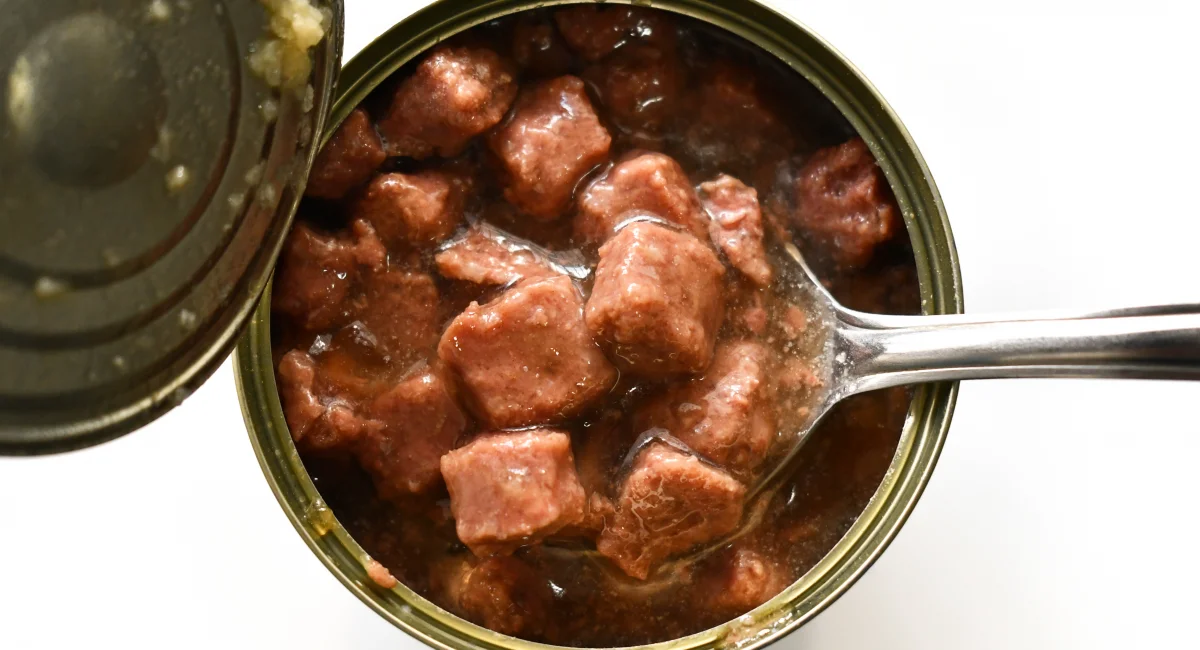
Pet food, dry or wet, is packed with proteins, fats, and carbohydrates. To ants, that’s a buffet. When pet food sits out for too long, especially in warm weather, it attracts ants looking for calories.
Ants follow pheromone trails left by other ants, so even a small drop of fruit juice or leftover cookie crumb can lead to a major infestation. You’re more likely to see ants in dog food or cat bowls during spring and summer, but indoor activity can happen year-round.
This can be a challenge for homeowners, but it’s also a concern for kennels, shelters, veterinary offices, and pet-friendly businesses. Wherever food is left out, ants will try to find a way in.
How to Keep Ants Away From Dog and Cat Food Indoors
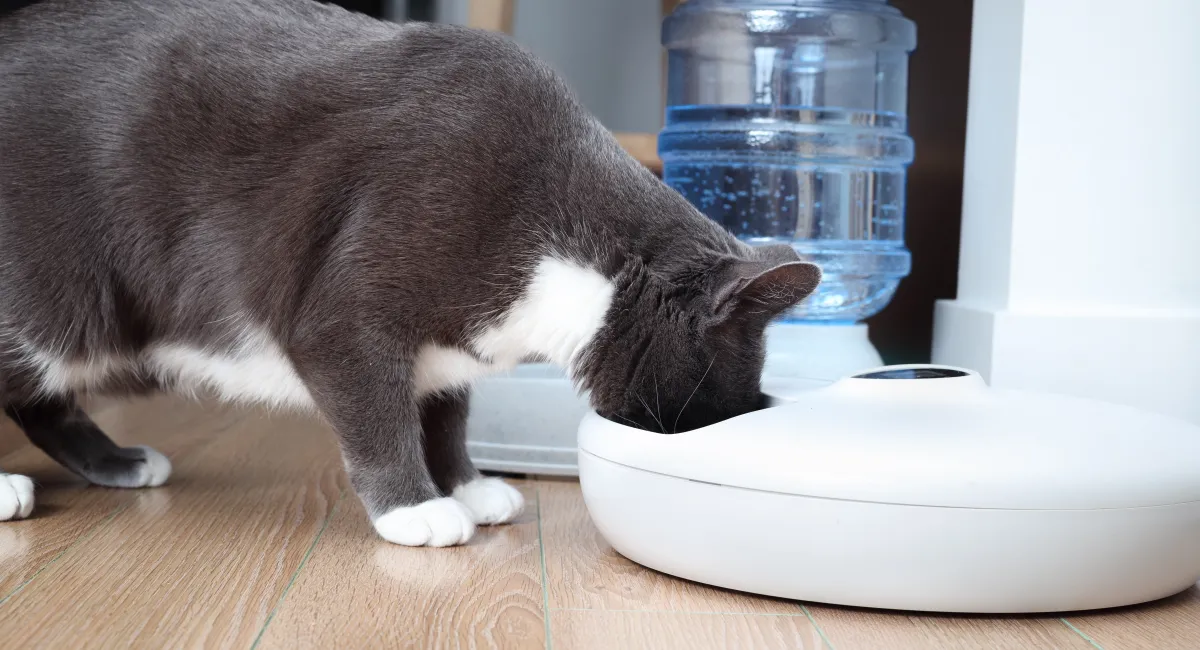
Feeding pets indoors reduces exposure to other wildlife, but it doesn’t always stop ants from getting into cat kibble or raw dog meat. However, there are practical ways to cut off their access:
- Clean feeding areas daily. Wipe floors and surfaces after feeding, and remove leftover food rather than leaving it out for long periods.
- Use airtight storage. Keep dry pet food in sealed plastic or metal containers. Open bags are easy for ants to get into, even if they’re rolled up.
- Avoid free-feeding. While it’s convenient to leave food out all day, timed feeding schedules reduce the chances of ants discovering the bowl.
- Create physical barriers. Placing the bowl in a shallow dish of water (a ‘moat’) can stop ants from crossing. You can also apply a thin line of petroleum jelly around the base of the bowl.
Simply put, the trick is to prevent scent trails from forming and remove food sources quickly. However, if you find ants inside a bag or container, discard the food. Contaminated food isn’t safe for your pet to eat, and ants can spread bacteria as they move through feeding zones.
Outdoor Feeding Tips
Feeding pets outdoors, such as community cats or dogs who like to eat on the porch, adds a new layer of risk. Some owners prefer to feed their pets outside to avoid the mess or smell, and prevent toddlers playing with or even eating your pet’s food.
Considering that ants and other pests are more active outside, it can be harder to keep them out of bowls. To reduce problems you could:
- Only offer food outdoors during scheduled mealtimes
- Place bowls on elevated surfaces or smooth tiles
- Remove food as soon as your pet is done eating
- Rinse the area with water to clear leftovers
When you do find ants in your yard or around building foundations, avoid using general insecticides or granules that could harm pets. Focus on long-term, pet-friendly solutions, such as professional bait placement and nest removal, along with treatments that are suitable to use around animals when applied responsibly.
Are Ants Dangerous for Pets?
Pets are curious, and ants are tiny; therefore, there is a good chance that your dog or cat has eaten ants at some point. In small numbers, most ants won’t hurt your pet if swallowed. But they can carry germs or pesticides picked up from other locations.
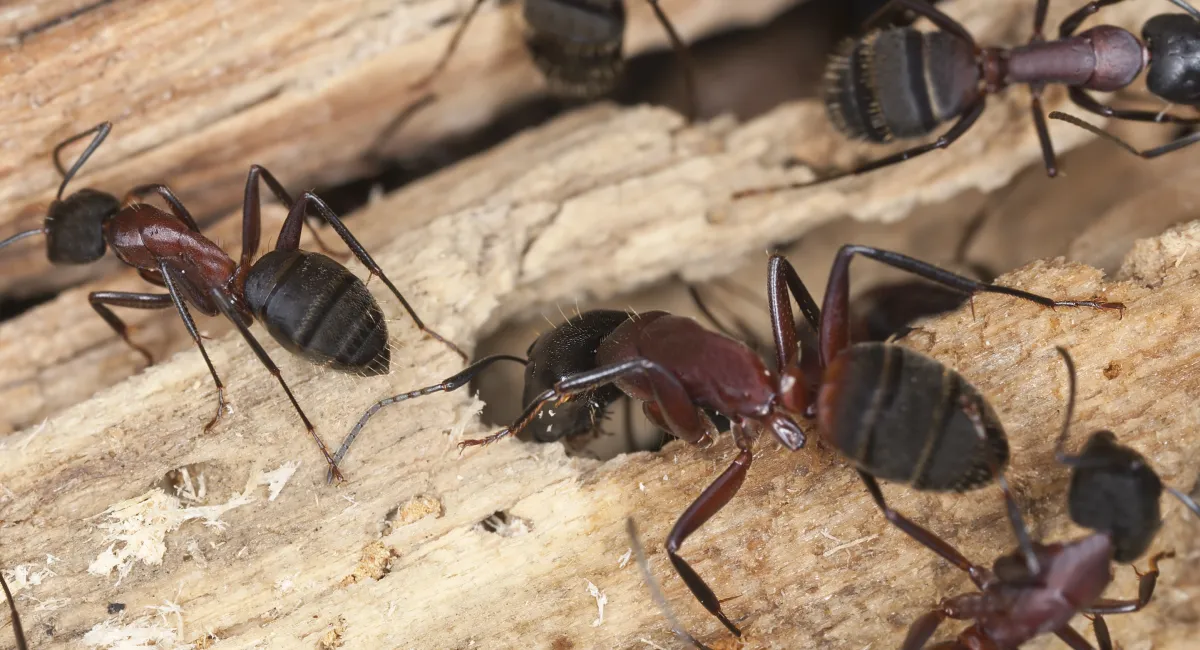
More aggressive species can bite or sting. Carpenter ants, field ants, or fire ants in the Carolinas will bite dogs or cats if provoked to protect their colony. Dogs with short hair or sensitive paws may experience an allergic reaction requiring treatment.
If you think your dog has been bitten by fire ants (or any other species), rinse the area gently with cool water. Redness, itching, or limping can happen after bites, and some pets may have stronger allergic responses. Always consult a veterinarian for treatment advice.
Pet-Friendly Ant Control
Trying to tackle ants yourself? Be careful what you use. Many over-the-counter products are not meant for use near animals. When looking for an ant spray that is safe for pets, always read the label and never spray directly on or near pet food or dishes. In both cases, sealed traps are designed to keep inquisitive paws and snouts away from ant bait.
Dog Safety
Natural methods, such as food-grade diatomaceous earth, can be sprinkled in cracks or along baseboards where ants enter. White vinegar mixed with water and dish soap is a dog-safe treatment. Fresh lemon juice, and spices such as cayenne and cinnamon are other popular dog-friendly remedies that can help to control visible ant activity.
Cat Safety
The same methods are also safe for cats. Diatomaceous earth and a water/vinegar/dish soap solution will not harm cats. And again, lemon juice, cinnamon and other spices are also unattractive to cats as well as ants.
However, DIY solutions don’t target the colony nest, which can be much further away, and despite your best efforts, forager ants will return without a robust prevention strategy.
Need Help? Gregory Pest Control Can Protect Your Home and Pets
At Gregory Pest Control, we know how important your pets are to your family, and how upsetting it can be dealing with recurring ant problems. Our technicians are experts on local species in North and South Carolina, and offer customized ant control plans that treat the source of the infestation while keeping your pets and property protected. Whether you need help indoors, outdoors, or both, we’ll work with you to find a solution that works, helping to reduce the risk of ants getting into your pet’s food.
If you need professional help with an ant infestation, schedule your free inspection today, and protect your property.
Book Your Free Pest Inspection Today
Our local technicians will assess your property and recommend tailored solutions. Fast, friendly, and completely obligation-free.
- Safe, targeted treatments
- Local experts, fast response
- Trusted, trained technicians