800-922-2596 Call Now Book a Free Inspection

Dark rover ants do not bite, sting, or cause significant damage, so they are sometimes underestimated. However, for both residential and commercial ant control, ignoring them can allow small colonies to establish and spread. At Gregory Pest Solutions, our technicians know to look beyond the visible foraging activity and seek the hidden nests that fuel these colonies.

Quick Facts About Dark Rover Ants

  • Tiny size: Workers measure just one-sixteenth of an inch (about 1.5 mm)
  • Dark appearance: Smooth, shiny bodies ranging from dark brown to nearly black, sometimes with a reddish tint
  • Sweet tooth: Forage for honeydew outdoors and sugary residues from drinks and spills indoors
  • Interconnected colonies: Use multiple satellite nests, traveling along wires and plumbing, making them hard to control
     

What Are Dark Rover Ants

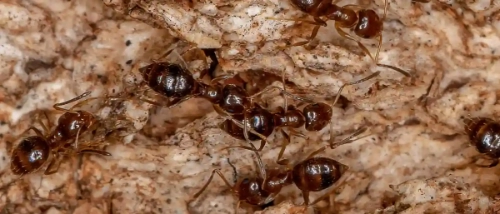
The dark rover ant (Brachymyrmex patagonicus) is found across much of the southern United States, thriving in warm, humid environments. Workers measure about one-sixteenth of an inch (1.5 mm) with smooth, shiny bodies ranging from dark brown to nearly black, sometimes with a reddish tint. Their waist has a single hidden node beneath the gaster (lower abdomen). Winged reproductives may swarm during warmer months to start new colonies.

Seeing Dark Rover Ants?

Call now to book your free inspection.

Habitat, Diet, Life Cycle, and Behaviors

Curious about what makes dark rover ants tick? From their preferred hiding spots to their sweet-toothed diet and colony structure, understanding these key behaviors and habits is the first step toward effective identification and long-term control.

Dark rover ants have adapted well to life in human environments. Their nests can be found in soil, mulch, and even potted plants. When migrated indoors, they still prefer damp places, such as behind baseboards, in kitchens, and around plumbing fixtures, leaks, or poor drainage.

Their diet focuses on sweet materials, both natural and artificial. They like sweet, sugary foods, so outside, they forage for honeydew, while inside, they look for sugary residues from drinks and spills.

The lifecycle of a dark rover ant colony follows the same general pattern as other ants. A mated queen starts a small nest, laying eggs that develop through larval and pupal stages before emerging as workers. Colonies remain relatively small compared to other ants but can grow rapidly when environmental conditions are favorable.

These ants typically forage along narrow trails, often using electrical wires, plumbing lines, or minor cracks to travel between rooms. Their colonies are generally interconnected, with several satellite nests supporting a single main group. This structure makes them particularly challenging to control without professional ant exterminators.

Dark rover ants

Signs of Dark Rover Infestation

Signs of a dark rover ant infestation include:

  • Ant trails along counters, cabinets, and sinks.
  • Ants emerging from baseboards or cracks near appliances and plumbing.
  • In residential settings, sightings often occur near dishwashers and sinks.
  • In commercial environments, ants are commonly found near drink dispensers, drains, and food storage areas.
  • Activity levels often increase during humid weather or after rain.

The presence of winged ants (alates) indoors indicates a nearby mature, expanding colony.

Dark rover ant

Are Dark Rover Ants Dangerous?

Unlike fire ants, dark rover ants do not sting or bite. The primary concern is contamination. While they do not spread disease, their foraging habits can lead them to crawl across unsanitary surfaces, then over food or preparation areas. In commercial environments such as restaurants or healthcare facilities, this creates hygiene concerns.

Their presence can also be frustrating. Colonies often return after simple treatments, and repeated sightings can give the impression that the ants are impossible to manage. Fortunately, that's not the case. By combining moisture management, exclusion, and precise treatment, control is entirely achievable with the right expertise.

How Can I Prevent Dark Rover Ants?

Reducing moisture is an important first step in ant prevention. Repair leaking pipes, fix dripping faucets, ensure appliances drain properly, and outdoors, avoid overwatering while keeping mulch off the foundation and gutters clear. Next, limit food access by sealing food in airtight containers, quickly wiping up spills, securely storing pet food, and reducing clutter.

When it comes to landscaping, keep a few key things in mind:

  • Keep shrubs trimmed away from exterior walls
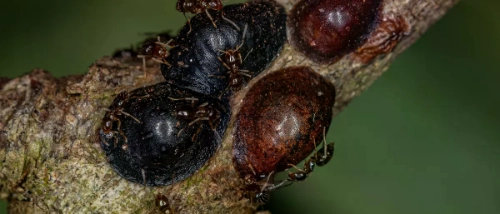
  • Manage aphids or scale insects that produce honeydew
  • Seal cracks and gaps around doors, windows, and utility lines

How Can Gregory Pest Solutions Help?

Our dark rover ant treatment begins with identification and a moisture assessment. Because these ants depend heavily on water sources, we work with property owners to locate leaks, improve drainage, and correct conditions that allow colonies to thrive. Once contributing factors are addressed, we apply targeted treatments using baits and residual materials appropriate for the environment.

Don't let a small trail turn into a persistent problem. Reach out to Gregory Pest Solutions today for residential or commercial ant control. Our team will conduct a thorough inspection, explain your options, and develop a plan that delivers lasting protection and peace of mind.
 

Other Types of Ants

Large black ants that chew through wood to build their nests, causing structural damage over time.

Fast and erratic, these small reddish-brown ants are found near electrical equipment. They can displace other insects and bite when disturbed, though they don't sting

Fire ants are aggressive and will bite and sting if disturbed. Their stings can cause pain, swelling, and, in some cases, allergic reactions.

Tiny and dark-colored, they are often seen in kitchens and around garbage. They live in large colonies and invade indoor spaces while foraging for food.

When crushed, they give off a foul, rotten smell; hence their name. They're known to trail along walls and baseboards looking for sweets and protein. 

Pale yellow ants that commonly infest hospitals, apartments, and commercial kitchens. They can carry bacteria and split into new colonies when threatened.

Frequently Asked Questions About Dark Rover Ants

No. Unlike carpenter ants or termites, dark rover ants do not chew wood or cause structural damage; their main issues are nuisance and hygiene.

The winged forms of dark rover ants appear during mating flights and resemble flying termites. Identifying them correctly as ants is crucial so that the proper treatment can follow.

Yes. Because they nest in hidden, moist areas and have small, widespread colonies and potential satellite nests, control is more complex than with common ant species.

Get In Touch

About Us

The personal touch sets Gregory apart from other companies. We have been family owned and locally operated since 1972. We get to know you, your family and home.